Saturday, 7 July 2012

Kuala Lampur


Kuala Lumpur is Malaysia's largest city, capital of the federation and legislative capital of Malaysia. The architecture of Kuala Lumpur is a blend of colonial influences, Asian traditions of Malaysian Islamic-inspired, modern art and a blend of postmodern architecture.
                                          

Kuala Lumpur also has become an international destination for shopping, where you can find a variety of shopping centers that host both local and international brands.
                                    

There are lots of points of interests to visit in the city, some of them are the Parliament of Malaysia, the Kuala Lumpur Tower, the Putra World Trade Center (PWTC), Dataran Merdeka, Tugu Negara, Istana Negara, Istana Budaya, mosques as Masjid Jamek, Masjid Negara and the Mosque of the Federal Territory, the National Museum (Malaysia) and other tourist attractions such as the KLCC Aquarium, Batu Caves, the Makam Pahlawan, the Pusat Sains Negara, the Negara Zoo , and events such as cultural festivals in the Chinese and Hou Temple Théan Thaipusam procession in the Temple Sri Mahamariamman. The Golden Triangle, is the commercial center of the city, it contains the Petronas Towers and has a distinctive nightlife, with nightclubs, bars and trendy lounges.


Japan Tsunami Pictures - Before and After

 Destroyed in seconds
before
 
After
Before
 
After
Before
After
 
Before
After
 
Before
 
After
  
Before
 
After
 
Before
 
Before
 
Before
 
After
 
Before
 
Before
SEE how the water destroyed every thing in just Seconds.


Friday, 6 July 2012

Most Amazing Places On Earth You Won’t Dare to Visit

Rishi Sowa’s amazing floating island


Rishi Sowa is not your typical artist, musician, environmentalist, inventor and educator. He is the creator of the world’s first man-made sustainable island. Located off the coast of Mexico, Rishi’s island is made out of a network of recycled materials including wooden pallets, carpeting and plastic bottles, 100,000 of which provides the island’s buoyancy.
Located in a protective lagoon, the island, named Joysexee, boasts a three-tiered house, solar powered electricity, mangroves, a variety of fruit trees and a 360 degree beach! Rishi gives guided tours of his island home to generate income to maintain and develop Joysexee while highlighting the devastating impact plastic waste can have on the environment.
Ulitimately, Rishi would like the island to be a floating school which would travel around the world educating people about the environmental dangers of waste disposal. With such a unique habitat, it’s not surprising Rishi has been featured by MTV Extreme Cribs, the Discovery Channel and Ripley’s believe it or not – see below.
Rishi’s project is continuous and and therefore in need of constant support and funds. For more information and to show your support, please visit www.spiralislanders.info

Wednesday, 4 July 2012

Water War by India against Pakistan Unabated


Indus Waters Treaty a farce and ineffective Document
India cheated Pakistan on Indus Waters Treaty by depriving it of itsperennial waters irrigating East Punjab of Pakistan. In replacement to the perennial water diverted by India, Pakistan, in return got storage water in Tarbela Dam Reservoir on the Indus, and Mangla Dam Reservoir on Jehlum River, both are  Pakistan’s own rivers, allotted under the Treaty. Storage created on our rivers cannot be part of the deal. This means, Pakistan got nothing in return of the perennial water diverted by India irrigating East Punjab of Pakistan. Pakistan is obviously hoodwinked. The Treaty is unequal, partial, and farce. The Treaty snatched perennial waterwithout compensation and with no regards for water rights in view of article XI (3) and the preamble
.
Moreover, it is a known fact that storage water in reservoirs rapidly silt. Pakistan’s Tarbela and Mangla reservoirs both lost 6.5 maf of storage capacity till today. This practically means, the so called IWT has ceased to function due to the loss of pivotal storage watercreated under the terms of conditions of the IWTon account of silting, and needs recurring replenishment by India in place of diverting perennial water to safeguard Pakistan water rights.This is necessary to keep the so called Treaty alive. At present, there exists no storage water as part of the so called Treaty to compensate Pakistan, as that is lost due to silting. 
Whereas, on the other hand the perennial water taken over by India exists and India is using it on its lands uninterruptedly. It is obvious that temporary nature storage water, or time-based storage water on our own rivers, cannot be equated to the 

معافی نہیں افسوس۔۔۔۔!USA say SORRY not APOLOGIZE


سُنا ہے کہ ہیلری کلنٹن صاحبہ نے حنا ربانی صاحبہ کو فون کر کے  اپنی سلالہ بدمعاشی پر معذرت کر لی ہے۔ قومی و بین الاقوامی  خبر رساں اداروں میں یہ آج کی بین الاقوامی خبروں کی شاہ سُرخی ہے۔ مگر جب میں نے  امریکہ کے ڈیپارٹمنٹ آف سٹیٹ کی ویب سائٹ پر  ہیلری کلنٹن کی پریس سٹیٹمنٹ پڑھی تو مجھے وہاں معافی  کا لفظ نظر نہیں آیا اور نہ ہی معذرت کا۔ البتہ انہوں نے پاکستانی نقصانات پر افسوس ضرور کیا ہے۔ ہاں سوری کا لفظ استعمال ہوا تو جناب سوری کا مطلب تو افسوس ہوتا ہے اور وہ تو امریکہ بڑی دیر سے کرتا آ رہا  ہے۔  اردو میں سوری  ہم کسی سے معافی مانگنے کے لئے ضرور استعمال کرتے ہیں مگر انگریزی میں معا فی کے لئے شاید  'اپولو جی ' کا لفظ استعمال ہوتا ہے۔ یقین نہ آئے تو یہاں سے دیکھ لیں۔ اور اگر رابطہ ہو سکے تو کسی میڈیا کے نمائندے کو یہ لنک بھی دے دیں تاکہ وہ امریکہ کا سرکاری مو قف بھی لوگوں تک پہنچا سکیں۔
http://www.state.gov/secretary/rm/2012/07/194502.htm
 
ویسے لگتا یوں ہے کہ اُن سے زیادہ ہمارے حکمرانوں کو اس 'معافی' کی زیادہ ضرورت ہے۔ پتا نہیں کیوں؟
Original post http://www.aashnai.blogspot.com/2012/07/blog-post_04.html

Tuesday, 3 July 2012

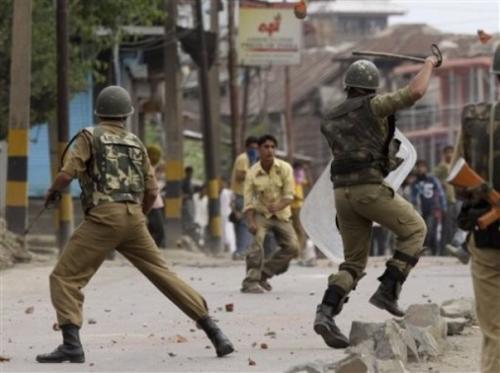
The Indian Occupation of Kashmir


The State of Jammu and Kashmir is, as its name implies, made up of more than one territorial unit. The Vale, or Valley, of Kashmir and the region of Jammu are joined with Ladakh, Poonch, Gilgit, and Baltistan to form what was, before 1947, a single governmental unit under the rule of the Dogra Dynasty. Each of these regions is distinct from the others in many aspects, and this heterogeneity is important to bear in mind during study of the Kashmir question. However, Kashmiris have a strong culture of their own as well as a distinct language. In many ways, Kashmir's regions are more like each other than anyone is like the rest of India
.
Srinagar, the summer capital of the State, is located in the centre of the Vale. This is the most populous region and the most significant agricultural centre, though it constitutes only 10% of the total land area of the state. The population of the Vale of Kashmir is overwhelmingly Muslim. In 1941, Muslims accounted for over 93% of the Vale's population. Also living in the Vale, though highly outnumbered, is a population of Kashmiri Brahmin Hindus known as the Pandits. Many leaders of the Indian independence movement came from this community, among them Pandit Jawaharlal Nehru.
The next most important region is the province of Jammu where the winter capital is located. This region is the ancestral homeland of the Dogra dynasty. Jammu is predominantly Hindu and Sikh, though there are Muslims living there also. The tiny province of Poonch, in the southwest of the state, is a Muslim region which was added to the Dogras' possessions in the middle